Klara Berger · 30 September 2026
Adapting Medieval Craft Traditions to Facilitate Knowledge Exchange in Contemporary Online Communities
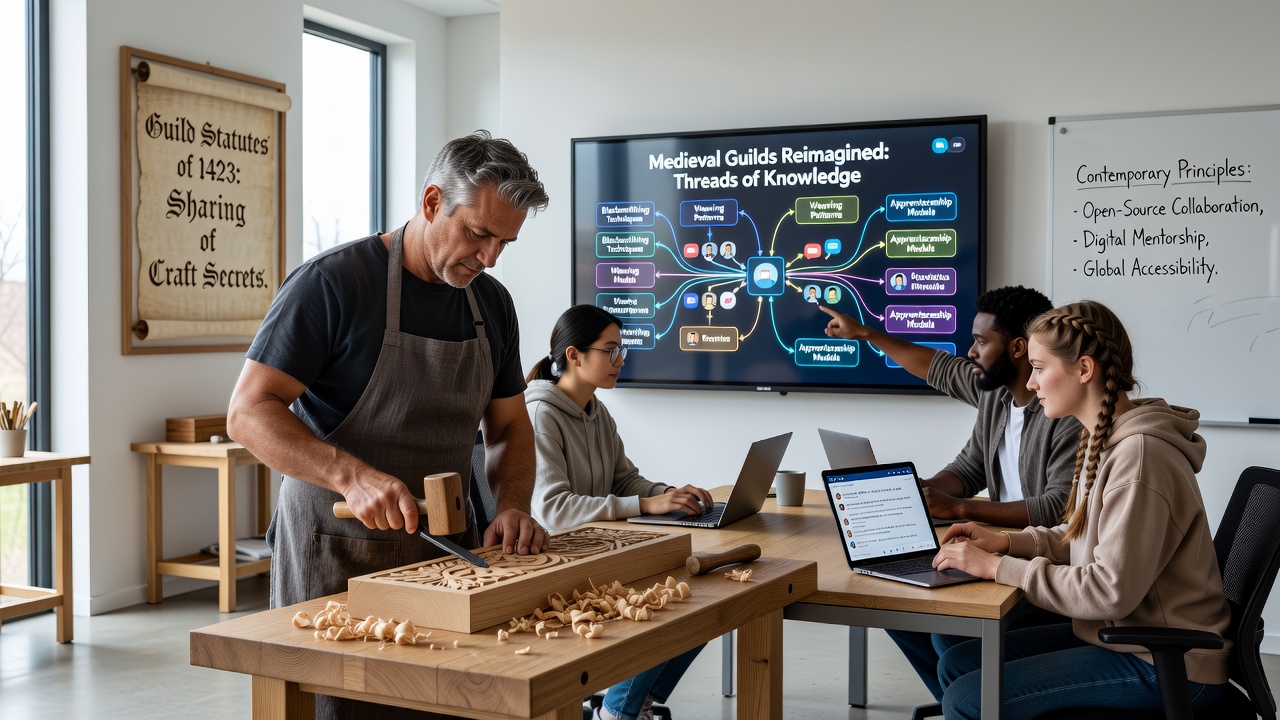
Medieval craft guilds established structured systems for transmitting specialized knowledge across generations through apprenticeships, master-journeyman hierarchies, and shared workshops where members exchanged techniques under formal regulations, and contemporary online communities have begun mirroring these models in digital spaces that range from open-source repositories to craft-focused forums. Researchers at institutions such as the Smithsonian have documented how these historical frameworks emphasized collective oversight of quality alongside mutual support, creating environments where novices learned directly from experienced practitioners while contributing observations that refined established practices over time.
Core Elements of Medieval Guild Knowledge Systems
Guild records from the 12th through 16th centuries reveal that knowledge exchange occurred through layered roles where apprentices performed repetitive tasks under supervision before advancing to independent work, and this progression fostered incremental skill development that communities could verify through completed projects rather than abstract credentials. Observers note that guilds maintained written ordinances alongside oral traditions, allowing members to reference both codified rules and practical demonstrations during meetings that often doubled as skill-sharing sessions. Data from European archives shows participation rates varied by region yet consistently produced networks that preserved craft secrets while enabling controlled dissemination to prevent dilution of standards.
Digital Platforms Replicating Guild Structures
Modern equivalents appear in platforms where users progress through contribution levels that echo apprenticeship stages, granting access to advanced discussion channels or collaborative projects once they demonstrate consistent input according to community guidelines. Studies from the University of Toronto indicate that such systems increase retention when participants receive feedback from established members, much as journeymen once evaluated apprentice work in guild halls. Forums dedicated to woodworking, textile arts, and metalwork frequently organize virtual critiques and shared resource libraries, allowing geographically dispersed individuals to exchange measurements, material sources, and troubleshooting methods without physical co-location.
September 2026 Developments in Online Guild Adaptations
By September 2026 several digital archives had integrated blockchain-based verification for member contributions, creating immutable records of shared techniques that parallel the guild ledgers once stored in city halls, and this shift enabled clearer attribution while reducing disputes over original methods. Research teams from the Australian National University reported measurable growth in cross-community collaborations following these updates, with participants citing improved trust in the accuracy of documented processes.
Mechanisms for Sustained Exchange
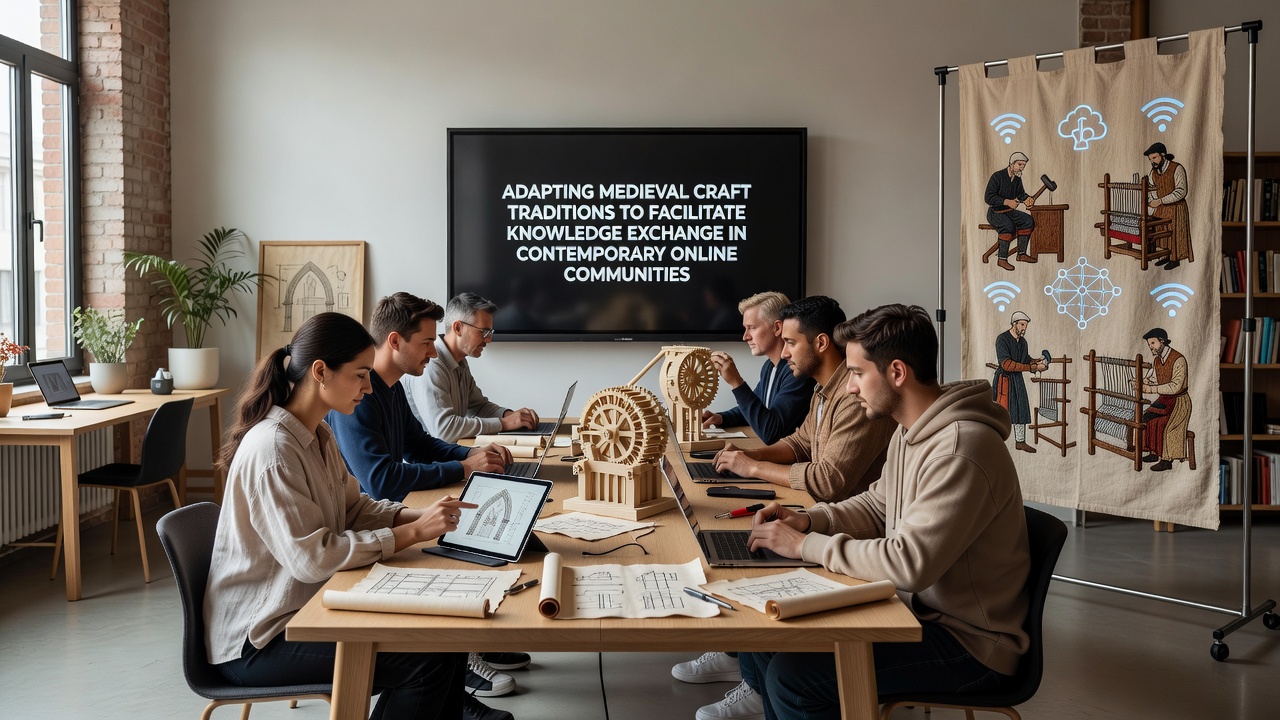
Successful adaptations combine asynchronous tools such as wikis and video repositories with scheduled live sessions that recreate the guild meeting format, permitting real-time clarification of complex steps while storing outcomes for later reference. Those who have examined participation logs find that communities enforcing contribution norms similar to guild dues maintain higher activity levels, because members perceive value in both giving and receiving specialized information. Case examples include textile networks that host monthly pattern swaps with peer review, resulting in documented refinements to traditional stitches adapted for contemporary materials and tools.
Challenges in Translation Across Eras
Digital environments lack the physical accountability that once enforced guild standards through direct observation, leading some groups to implement reputation scoring systems that track consistency of advice and quality of shared outputs. Figures from academic analyses reveal that without such checks, misinformation can spread rapidly, whereas moderated spaces with clear escalation paths for disputes preserve the protective aspects of historical guild oversight. Observers have noted that hybrid models incorporating occasional in-person meetups strengthen bonds formed online, bridging the gap between virtual and tangible practice.
Conclusion
Evidence from both historical records and current platform analytics demonstrates that core principles of medieval craft traditions—structured progression, collective verification, and reciprocal sharing—translate effectively when communities design digital equivalents that respect these foundations while accommodating new technologies. Researchers continue to track outcomes across multiple regions, providing data that informs ongoing refinements to these knowledge-exchange frameworks.