Casey Hoffmann · 16 September 2026
The Evolution of Collaborative Networks in Niche Digital Spaces: Lessons from Historical Guild Structures
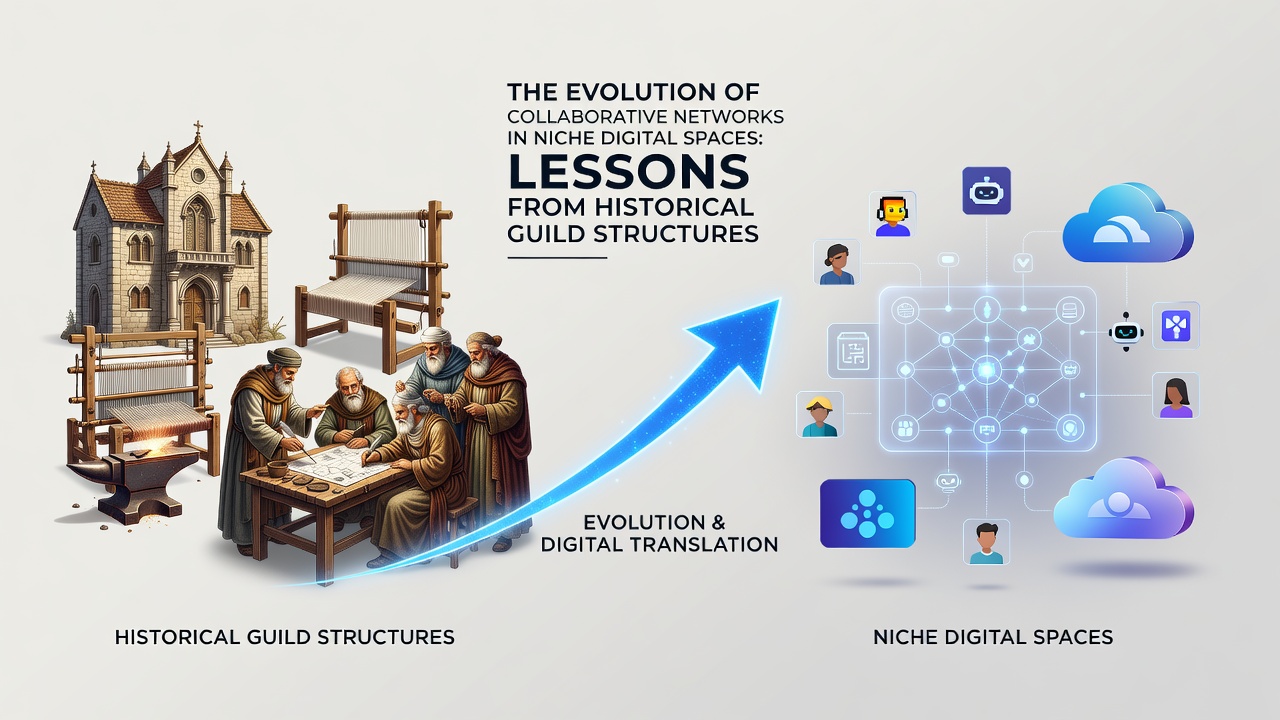
Historical guild structures emerged across medieval Europe as organized associations of craftsmen and merchants that regulated trade practices while providing mutual support among members and those who joined apprenticeship programs often discovered structured pathways for skill development that persisted for centuries and data from economic historians shows these networks enforced quality standards through collective oversight rather than individual authority. Researchers at institutions like the University of Toronto have documented how guilds maintained apprenticeship systems that combined technical training with social bonds and this model created resilient communities capable of adapting to market shifts over generations.
By the 14th century guilds in cities such as Florence and London controlled access to professions through formal charters and observers note that these groups often pooled resources for insurance against illness or old age which parallels later cooperative arrangements in industrial eras. Evidence from archival records indicates that guild members benefited from shared knowledge repositories including pattern books and technique manuals that reduced duplication of effort across workshops and such practices fostered incremental innovation within tightly knit circles.
Transition from Physical Guilds to Digital Equivalents
Digital collaborative networks began appearing in the late 20th century with the rise of bulletin board systems and early internet forums that mirrored guild-like exclusivity through invitation-only access or skill-based entry requirements and people who participated in these spaces frequently report patterns of mentorship similar to traditional apprenticeships. Studies from the Australian National University reveal that open source software projects function as contemporary guilds by establishing contribution guidelines that new developers must follow before gaining commit privileges and this structure maintains code quality while distributing knowledge across global participants.
Platform features on sites like GitHub and specialized Discord servers now replicate the regulatory aspects of guilds by implementing reputation systems and voting mechanisms that determine project direction and those who've examined these systems find parallels in how medieval guilds voted on new members or resolved disputes. Data from the European Commission's digital economy reports shows collaborative platforms in niche sectors such as indie game development and digital art communities grew by measurable margins between 2015 and 2023 with membership numbers reflecting increased demand for structured yet flexible networks.
Key Lessons Derived from Guild Models
One lesson centers on the balance between exclusivity and openness because historical guilds limited membership to protect trade secrets yet modern digital spaces must calibrate access controls to encourage fresh input without diluting expertise and researchers discovered through network analysis that overly open communities sometimes experience fragmentation whereas selective ones sustain higher engagement levels. Another parallel involves resource sharing where guilds maintained collective funds for emergencies and digital equivalents appear in crowdfunding mechanisms or shared compute resources within niche communities focused on machine learning or procedural generation tools.
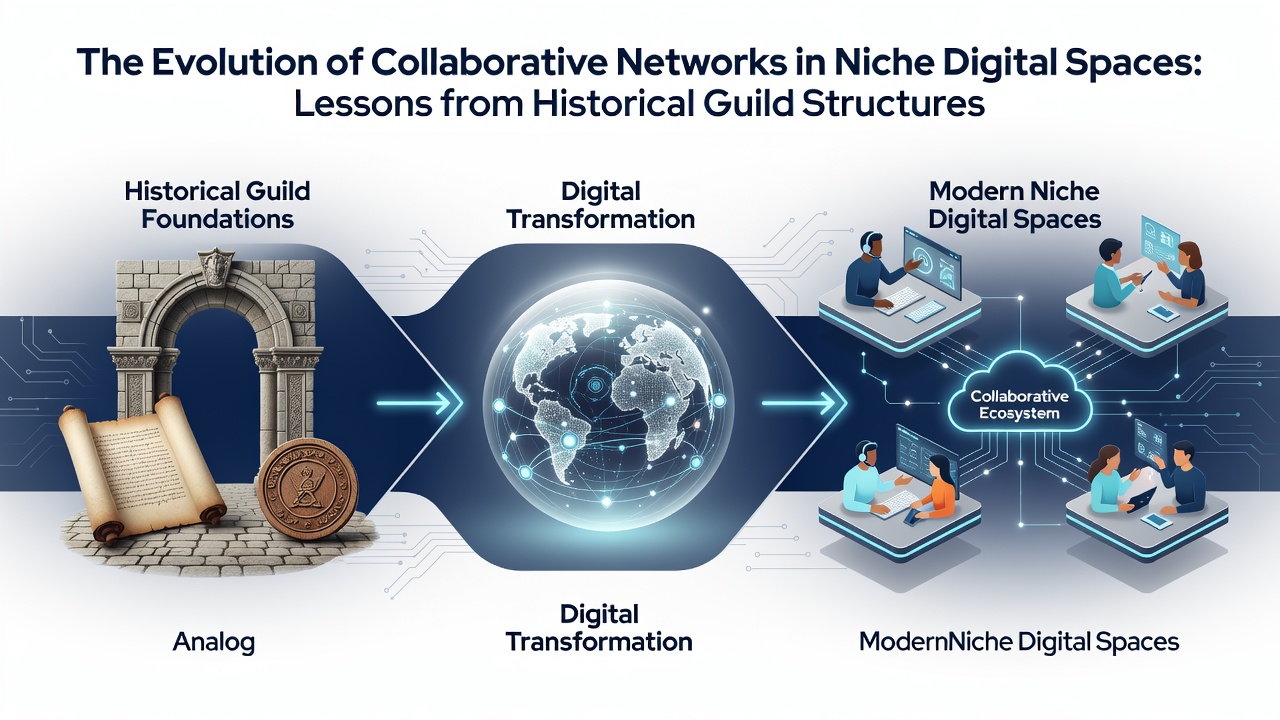
Conflict resolution protocols represent a third area of continuity since guilds employed arbitration panels drawn from senior members and current platforms experiment with similar peer review boards to handle disputes over content ownership or contribution credit and figures from academic papers on digital governance indicate these approaches reduce escalation rates compared with purely algorithmic moderation. What's interesting is how knowledge transmission occurs through documented processes like guild ordinances that specified training durations and today's equivalent emerges in wiki-style documentation or recorded live coding sessions that newcomers can reference repeatedly.
Developments Observed Through 2026
In September 2026 analysts tracking collaborative software usage noted continued expansion of specialized networks dedicated to procedural content creation and decentralized autonomous organizations with participation metrics showing steady growth across regions outside traditional tech hubs. Government data from Statistics Canada on digital workforce trends highlights how professionals in creative industries increasingly rely on guild-inspired structures for skill certification and project coordination while avoiding centralized corporate platforms.
Academic examinations continue to map these evolutions and one study released that month compared participation patterns in historical European guilds with current virtual reality design collectives and found overlapping hierarchies based on demonstrated competence rather than formal credentials. Such findings reinforce that core mechanisms of trust building and collective accountability transfer effectively when adapted to digital tools including version control systems and real-time collaboration suites.
Conclusion
Collaborative networks in niche digital spaces continue to draw structural inspiration from historical guild frameworks through mechanisms of controlled access, shared resources, and knowledge preservation and evidence accumulated across multiple disciplines demonstrates these patterns produce durable communities capable of weathering technological change. Observers tracking developments into late 2026 expect further refinements as platforms incorporate more sophisticated reputation and governance features modeled on longstanding precedents.